
Ear irrigation for earwax removal in the UK
Ear irrigation uses a controlled, low-pressure stream of warm water from an electronic machine to flush wax from the canal. Modern irrigation has replaced the old-style ear syringing - here's how it works and when it is appropriate.
Find an irrigation practitioner near you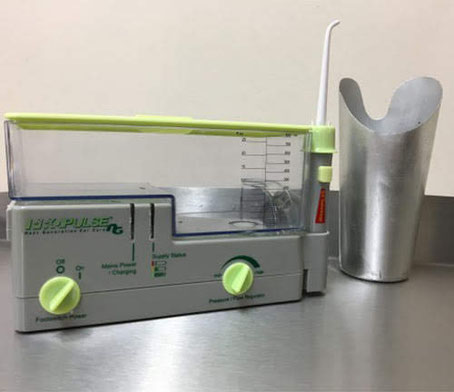
The short answer
Ear irrigation is a method of earwax removal in which the practitioner directs a controlled stream of body-warm water along the upper wall of the ear canal. The water washes behind the wax and flushes it out into a basin held against the side of the head. The pressure and temperature are regulated by an electronic machine, and the practitioner re-examines the canal between each flush.
Verify a practitioner via these UK registers and professional bodies


Each clinic profile shows you which register or professional body the listed practitioner is on.
CQC registration is required for any clinic offering earwax removal to people under 19, outside of a school or academy setting.
The icons above are non-official verification marks. They do not imply endorsement by any regulator or professional body.
Modern irrigation versus old-style syringing
Many patients still call this procedure "ear syringing", and the older name is so well-established that some clinics still use it informally. The technique has changed considerably since the days of manual syringes, however, and the differences matter for both comfort and safety.
Old-style syringing relied on a large metal bulb syringe operated by hand. The pressure depended entirely on how hard the clinician pushed the plunger; the water temperature was whatever came out of the tap and cooled in the syringe; and there was no way to soften or stop the stream once it had started. Performed carefully it was safe, but the margin for error was wider than modern practice accepts.
Modern ear irrigation uses an electronic machine such as the Propulse or the Earigator. The machine pumps water at a regulated low pressure - usually well below the pressure the manual syringe could deliver at full force - and the temperature is held at body temperature throughout. The practitioner controls a foot pedal, which means they can pause the flush instantly if you signal discomfort. The water is delivered through a fine jet tip rather than a wide nozzle, which gives the practitioner control over direction and reduces the chance of jet pressure being directed straight at the eardrum.
This is why many NHS audiology departments and primary care services that previously offered manual syringing have either switched to electronic irrigation or moved to microsuction entirely.
How an ear irrigation appointment works
An ear irrigation appointment typically takes 20 to 30 minutes. Most clinics will ask you to use softening drops for two to three days beforehand, which makes the wax easier to flush and reduces the number of attempts needed.
Examination
The practitioner examines both ears with an otoscope. They confirm there is wax to remove, check for signs of perforation, infection or surgery, and ask about your ear history.
Setup and positioning
You sit upright and tilt your head slightly towards the side being treated. A waterproof cape protects your clothing. A kidney-shaped basin is held against your neck below the ear to catch the returning water and wax.
The flush
The practitioner directs the jet along the upper rear wall of the canal, not at the wax directly. The water flows behind and around the wax and pushes it out into the basin. Most appointments require several short flushes rather than one long one.
Re-examination between flushes
The practitioner re-examines the canal between flushes to check progress and to confirm the canal is responding well. They will stop if the canal becomes irritated or if you signal discomfort.
Drying and final check
Once the canal is clear, the practitioner dries the canal gently and examines the eardrum. They will let you know what they have seen and whether anything should be followed up.
When ear irrigation is - and isn't - appropriate
Irrigation suits the largest group of patients well, but there are clear situations where another method should be used instead.
When ear irrigation should be avoided
- A history of eardrum perforation, whether currently active or previously healed
- Grommets in place
- Active ear infection or a discharging ear
- Recent ear surgery, including mastoid surgery
- Significant scarring or weakness of the eardrum identified on examination
- A foreign object in the ear canal - this needs medical referral
In any of these situations, microsuction is generally the safer alternative because no water enters the ear. A trained practitioner will identify these contraindications during their pre-procedure examination and recommend the alternative method or refer you on.
Irrigation is generally a good choice when the wax is soft to moderate in firmness, the canal is healthy and intact, and the patient prefers the sensation of warm water to suction. It is often the method audiology and ENT practitioners reach for when patients have used softening drops diligently for several days beforehand, since well-softened wax can leave the canal in a single flush.
What training the practitioner should have
Practitioners offering ear irrigation should hold a current irrigation course completion certificate, typically a one to two day theory and practical course that covers anatomy, contraindications, machine maintenance, and infection control. Most courses include supervised live sessions. As with microsuction, you should look for the combination of an underlying clinical qualification, documented training in the specific method, and current indemnity cover.
For a fuller explanation of the registers and accountability frameworks UK earwax removal practitioners can sit within - and how to think about practitioners who operate outside those frameworks - see our page on who can remove earwax in the UK.
What to expect: comfort, safety, recovery
The sensation of ear irrigation is similar to having warm water poured into the ear, with a soft pulsing pressure as the jet works. Most patients find it comfortable. Some report a brief sensation of mild dizziness if the water temperature is even slightly off body temperature, because the inner ear's balance organ is sensitive to temperature; this resolves within a few seconds and is a recognised, non-serious effect.
The risks of ear irrigation performed by a trained practitioner using modern equipment are small. Recognised possible complications include canal irritation, temporary dizziness, minor canal grazes, and - very rarely - eardrum perforation. The contraindications above exist precisely to keep that perforation risk close to zero.
After the procedure, your ear may feel slightly damp for an hour or two. Most patients can return to normal activities straight away. The practitioner may suggest avoiding swimming and submerging the ear in water for a day or two, depending on what they found in the canal.
Frequently asked questions
Is ear irrigation the same as ear syringing?
The two terms are often used interchangeably, but they refer to different generations of the technique. Old-style syringing used a manual bulb syringe with no pressure regulation. Modern irrigation uses an electronic machine with regulated low pressure and body-warm water, and is the standard private and NHS method today. Most clinics that say "syringing" in their marketing now use the modern irrigation technique.
Does ear irrigation hurt?
It should not hurt. Most patients find it comfortable, similar to warm water gently filling the ear. Some feel brief mild dizziness if the water temperature is slightly off body temperature - this is normal and settles in seconds. If you experience pain at any point, tell the practitioner immediately and they should stop.
Can I have irrigation if I have had a perforation in the past?
Generally not. Even a healed perforation is treated as a contraindication for irrigation because the membrane at the site of healing can be thinner than the original eardrum. Microsuction is the preferred method in this situation because no water enters the ear. A practitioner will examine your ear and make the call - and may decline to proceed if they have any concerns.
How successful is ear irrigation at removing wax?
For appropriately selected patients - softer wax in a healthy canal, with proper pre-softening - ear irrigation is highly effective and usually clears the canal in a single appointment. Where the wax is very firm or deeply impacted, irrigation may not be enough on its own, and the practitioner will either combine it with manual removal or recommend microsuction and a return visit.
Find an ear irrigation practitioner near you
Each listing on our directory shows which methods the practitioner offers and what training they hold. Search by postcode to see who is available locally.
Find a clinicReferences
- National Institute for Health and Care Excellence (NICE). Hearing loss in adults: assessment and management. NG98, 2018.
- National Institute for Health and Care Excellence (NICE). Earwax: Clinical Knowledge Summary.
- ENT UK. Clinical guidance on the management of ear wax in primary care, 2024.